
Ant work is quoted after an inspection, and there is no published cost-guide range for it worth repeating to you. What moves your number is which ant you have, how far the colony has spread, and whether you want the trail knocked down once or kept off the property year-round. UC IPM names the Argentine ant as the most common house-and-garden ant in California, which is why that last question matters so much.
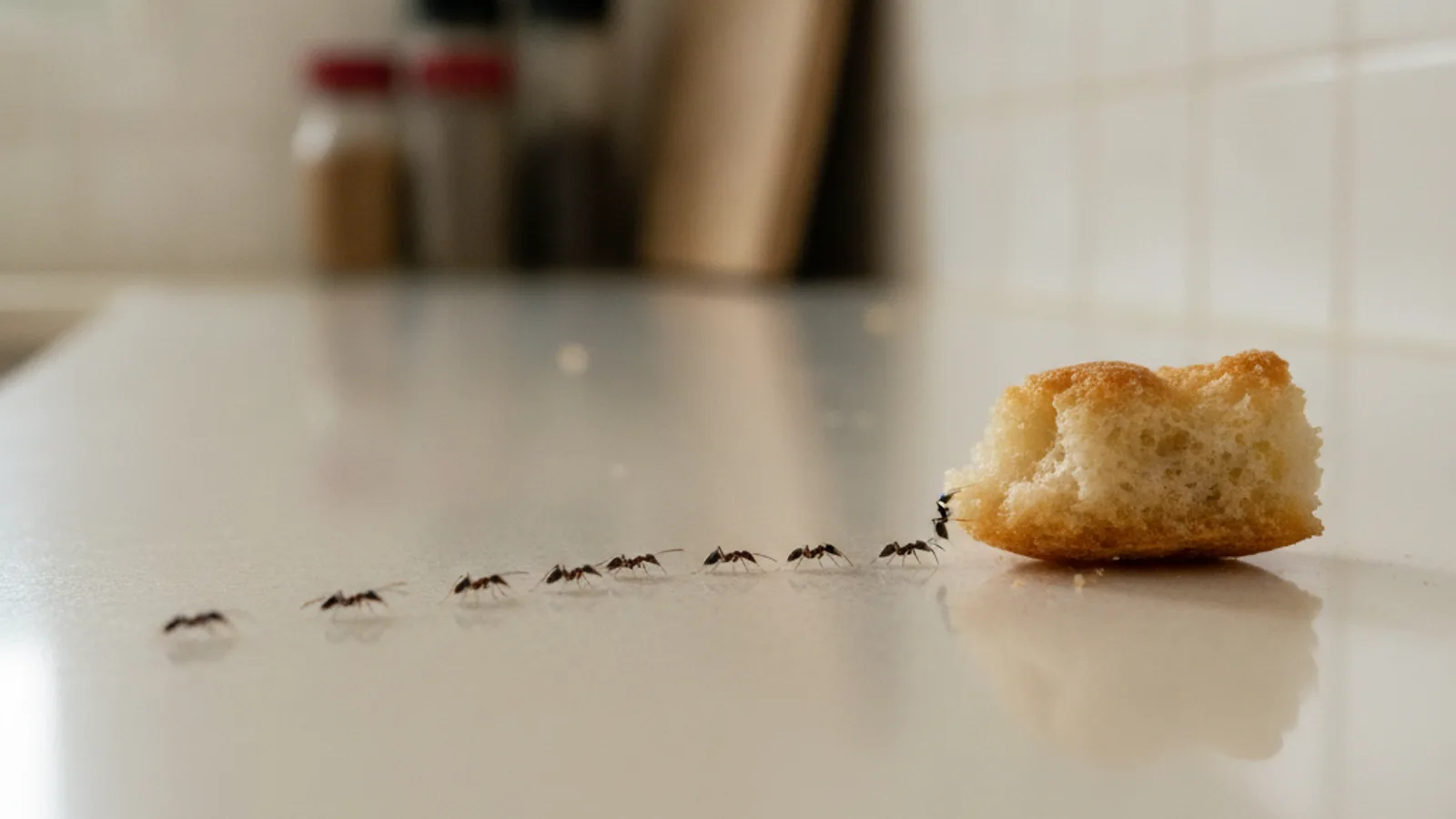
UC IPM names the Argentine ant as the most common house-and-garden ant in California, with nests linked into one large supercolony with multiple queens. The trail on a San Diego kitchen counter can belong to that outdoor network, which is why a one-time visit and a year-round plan are different jobs. The real cost still depends on which ant you have, how far activity has spread, and whether you want one knockdown or ongoing exclusion of trails.
What does ant control cost in San Diego?
Most ant jobs in San Diego fall into one of three pricing structures, and which one makes sense depends on how the colony behaves.
| Service type | How it’s priced | What it covers |
|---|---|---|
| One-time treatment | Single charge quoted after inspection | Single visit, interior baseboards and exterior perimeter |
| Recurring plan | Larger initial visit, then smaller recurring visits | Ants folded into a recurring general pest control program |
| Argentine ant perimeter plan | Annual price quoted on the property | Dedicated outdoor perimeter treatment for supercolony pressure |
| Carpenter ant treatment | Quoted on-site | Nest search in wood, priced after inspection |
We don’t publish dollar ranges for ant work, and you should be skeptical of sites that do. The national cost guides have no reliable per-job ant figure, and a number invented to fill the gap is worse than no number: it anchors you to a price that has nothing to do with your property. A live inspection is what sets your actual cost, since ant colonies vary enormously in size and location even between two houses on the same street.
One-time treatment or a quarterly plan?
A one-time visit costs less upfront, but a recurring plan can cost less over a full year if ants keep coming back. UC IPM says bait workers carry back to the nest is the usual way to reach queens, and that outdoor perimeter sprays kill foragers without killing the colony. Ask the matched company whether a quoted visit is a bait-and-spot job, a perimeter spray, or both, and get that in writing. A single visit can be enough for a one-off trail after a box sat by the door.
Argentine ants often return in a mild coastal climate because the outdoor supercolony is still there. A recurring plan answers that with a larger first visit and smaller follow-ups. Ask whether re-treatment between scheduled visits is included. That term decides whether a plan is actually cheaper for you. Ants are often folded into a broader general pest control plan rather than billed as a standalone recurring service.
What changes the price of ant control
The pest itself is the biggest variable. UC IPM names Argentine ants as the most common house-and-garden ant in California, and bait plus targeted work is often priced differently from wood-nest work. Carpenter ants cost more when the quote has to cover nests in wood rather than a surface trail. Odorous house ants and pavement ants generally price closer to a standard visit, though a colony under a slab or driveway can take longer to locate.
Property size and layout matter next. A larger lot means more linear feet of foundation and more mulch beds, irrigation boxes, and water meter enclosures where outdoor colonies live. Ask the inspector whether canyon-adjacent lots such as Scripps Ranch or dense older streets need more exterior linear footage than a newer inland lot. That is a quote question, not a county ranking we can publish.
Severity and history also factor in. A trail you caught the same week it appeared is a smaller search than activity that has had months to spread. UC IPM notes that spraying foragers does not kill the colony, so a prior DIY spray can leave the outdoor nest intact and the next visit larger.
Does spraying ants yourself actually save money?
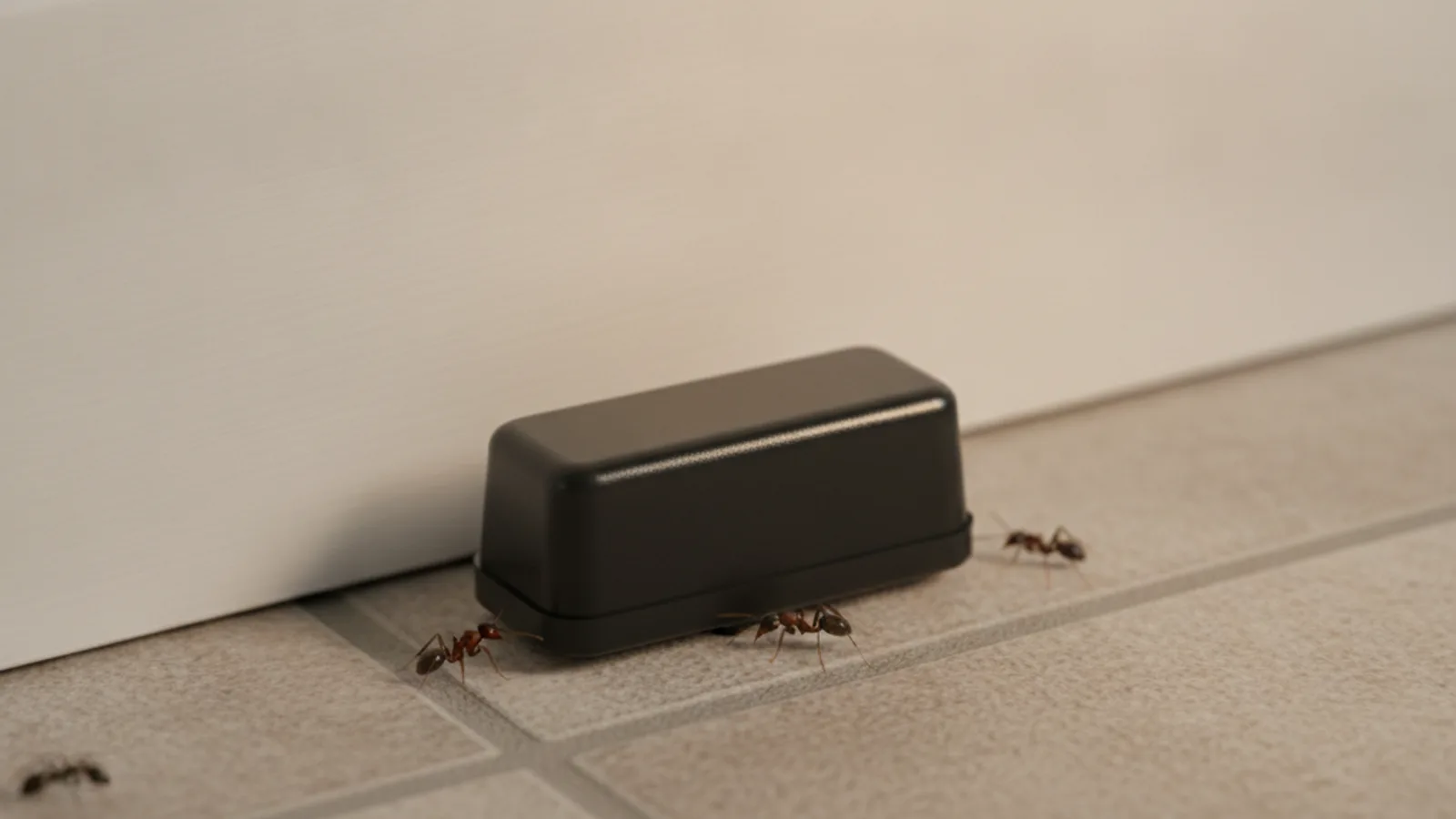
Store-bought ant spray looks like the cheaper option, and for a single trail it sometimes is. UC IPM’s warning is simpler than a budding story: indoor sprays do not stop more ants from entering, and foundation sprays kill foragers without killing queens. Repeat cans then buy the same trail again. If you still want a store product, read the label and do not treat it as colony control.
Baits exist so workers can carry a slow-acting toxicant back to the nest. Ask the matched company whether it will use bait, a spot treatment, or a perimeter product, and whether that matches the label for the species it identifies. Our guide on DIY versus professional pest control in San Diego covers when a store-bought step is still reasonable.
How to get an accurate ant control quote in San Diego
No honest company can price an ant job over the phone without seeing the property, since colony size, ant species, and access all change the number. When you’re comparing quotes, ask whether the price is a one-time visit or a plan, what the annual cost works out to, and whether re-treatment between visits is included if the trail comes back. Confirm the company you’re considering carries a valid license through the California Structural Pest Control Board, which you can check yourself at pestboard.ca.gov before anyone steps onto your property.
Pest Pros San Diego is a referral matcher. We connect homeowners across the county, from Chula Vista to San Diego, with licensed local companies. The matched company inspects first and quotes the colony it finds. We do not schedule that inspection or set the price. Our ant control page explains how a match request works. Ant control is one line item in a bigger budget: our San Diego pest control cost guide covers other common services. For a real number instead of a range, request a match.
Frequently asked questions
How much does ant control cost in San Diego?
There’s no honest single figure, and no national cost guide publishes a reliable per-job ant range. Price is set on the property, driven by the species, how far the colony has spread, and whether you want one visit or a recurring plan. Carpenter ant work is quoted separately after an inspection, because the company has to locate activity in wood rather than treat a surface trail.
Is a one-time ant treatment enough, or do I need a quarterly plan?
A one-time treatment works for an isolated trail that showed up once and hasn’t returned. Argentine ants, California’s most common house-and-garden ant on UC IPM, often return while the outdoor supercolony is still there, so a recurring plan can cost less across a year than repeat one-time visits. Ask for both quoted side by side with the annual total before you decide.
Why does carpenter ant treatment cost more than Argentine ant treatment?
Carpenter ants nest inside wood framing rather than trailing across a surface, so treatment involves locating the nest galleries. That is a different inspection than Argentine ant bait work, which is why carpenter ant jobs are quoted on-site instead of priced from a standard range.
Does spraying ants myself cost more in the long run?
Often, yes. UC IPM says sprays on foragers do not kill the colony, so the trail can restart from the outdoor nest. That usually means more product purchased over time and a larger search by the time a licensed company inspects.
How do I get an accurate ant control quote in San Diego?
The only reliable way is a live inspection by the company that would do the work, since colony size, ant species, and property access all change the price. Ask whether the quote covers one visit or a plan, what re-treatment between visits costs, and confirm the California Structural Pest Control Board license at pestboard.ca.gov before anyone starts.
If ants keep coming back, call (858) 400-6561 to request a match with a licensed local company. That company inspects and quotes. Pest Pros San Diego does not.