Termite inspection and WDO reports in San Diego
A California termite inspection is Branch 3 work, and the report it produces is defined by statute. Business and Professions Code section 8516 requires a written inspection report prepared and delivered to the person requesting the inspection and the property owner within 10 business days from the start of the inspection, and delivered before work is commenced on any property. The state form separates the infestation or infection that is evident from the conditions that are present that are deemed likely to lead to infestation or infection, and the report must describe any areas that are inaccessible or not inspected. We match you with a registered company holding the Branch 3 license that report requires.
Last updated: 2026-04-23
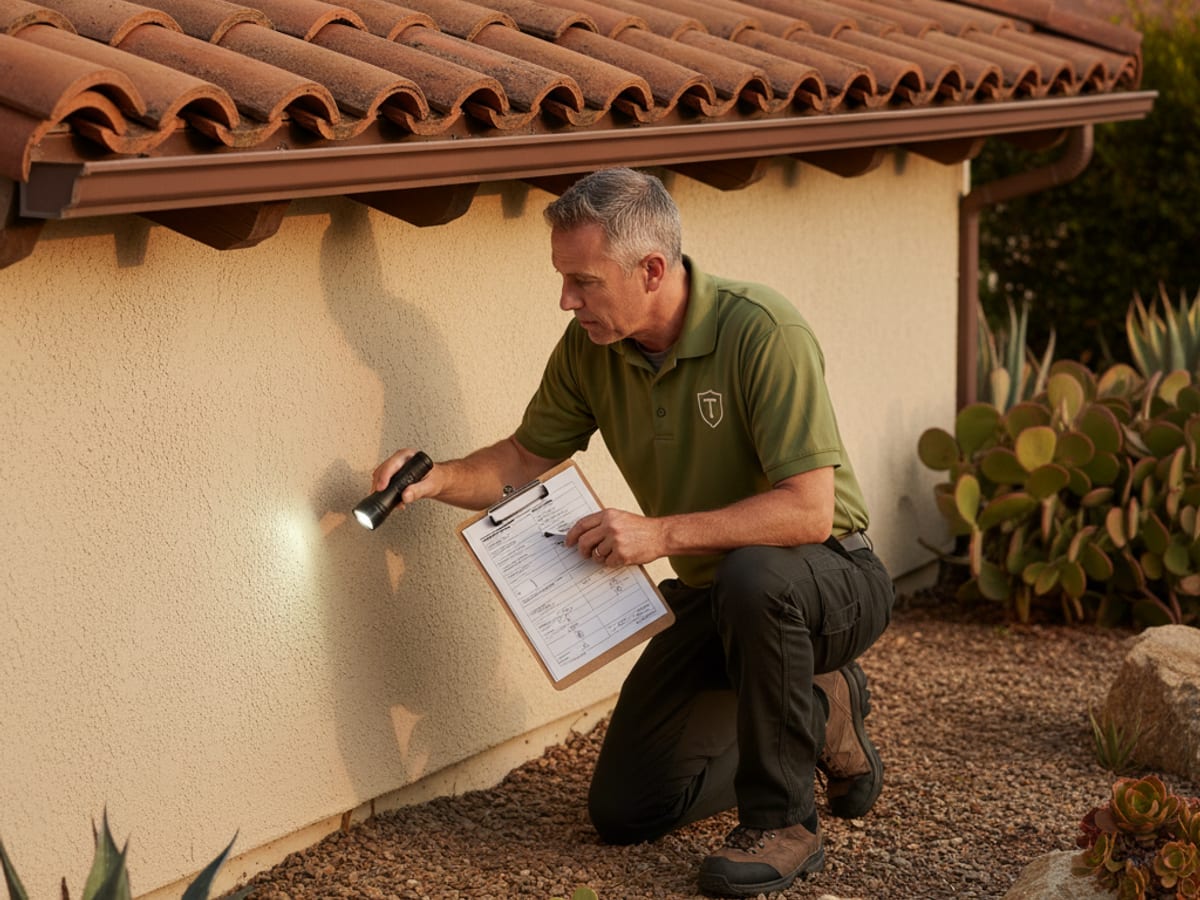
What's included in termite inspection in San Diego County?
- Real estate / escrow termite inspections with state-compliant WDO report
- Annual prevention inspections to catch activity early
- Pre-listing inspections for sellers who want to address findings before going under contract
- Crawlspace, attic, garage, and exterior perimeter inspection
- Moisture intrusion, leaking plumbing, and conducive-condition documentation
- Evident infestation reported separately from conditions likely to lead to infestation
- A reinspection when an estimate was given with the original report, at no more than the original inspection price
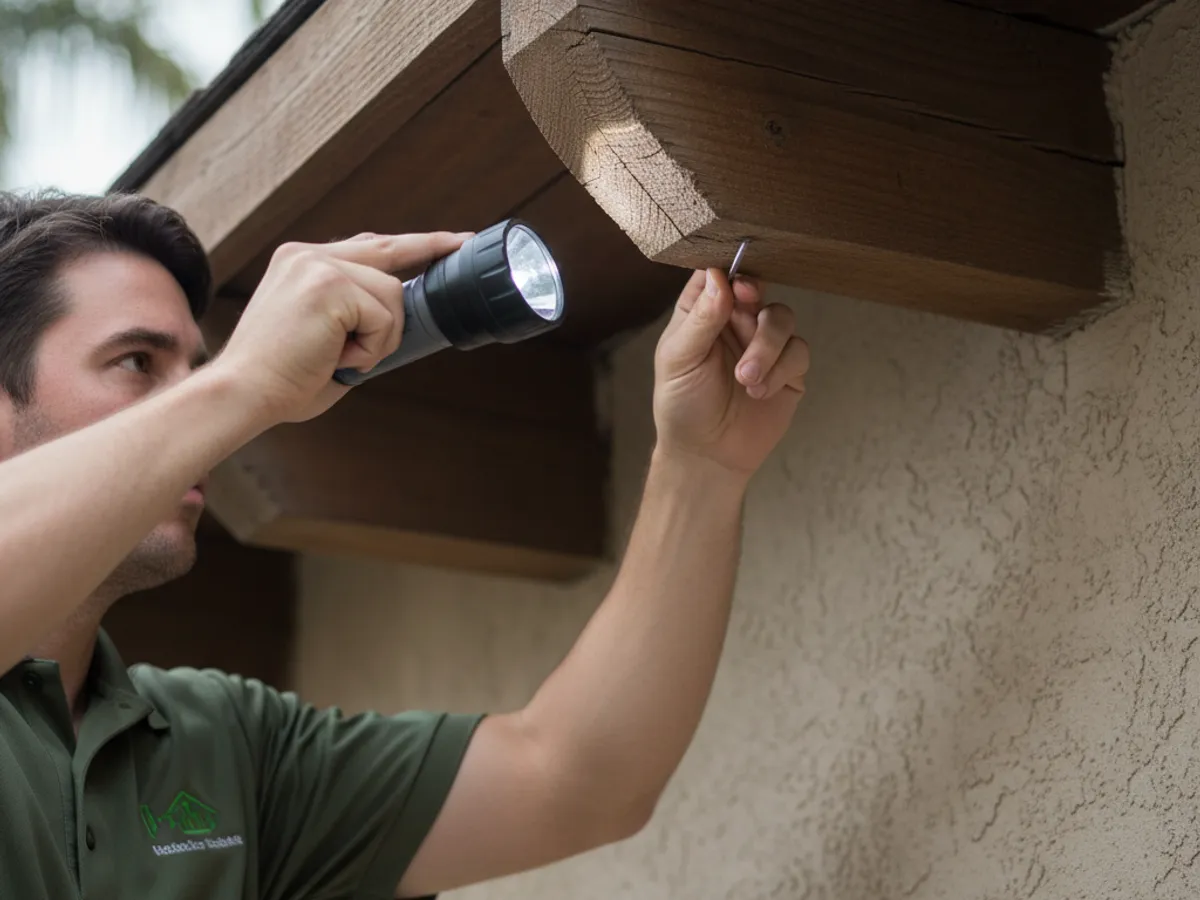
When do you need termite inspection in San Diego County?
- Your contract or your financing makes a report or a certification a condition of the sale
- You're selling and want to know what's there before the buyer's inspector finds it
- The board's property search shows no WDO inspection filed for the address in the last two years
- You see possible signs (frass, mud tubes, swarmers) and need a definitive answer
- An HOA or property manager requires annual documentation
What do homeowners ask about termite inspection in San Diego County?
Is a WDO inspection the same as a termite inspection?
Yes. WDO is short for wood destroying pests and organisms, and the report is the one prepared under Business and Professions Code section 8516 by a licensed Branch 3 field representative or operator employed by a registered company. Civil Code section 1099 ties delivery to the deal: the seller or their agent must give the buyer a copy as soon as practical before transfer of title, provided that certification or preparation of a report is a condition of the contract effecting that transfer, or is a requirement imposed as a condition of financing. So a termite inspection near you and a WDO inspection near you return the same document.
What is a WDO report?
It is the written inspection report required by Business and Professions Code section 8516. The statute lists what goes in it: the start date and the name of the licensed field representative or operator making the inspection, a foundation diagram or sketch of the structure showing the approximate location of any infested or infected areas, conditions usually deemed likely to lead to infestation such as earth-wood contacts, excessive moisture conditions and evidence of roof leaks, any areas that are inaccessible or not inspected, recommendations for corrective measures, and information regarding the pesticide or pesticides to be used.
Section 1 vs. Section 2, what is the difference?
The state form separates two things. One is the infestation or infection that is evident, meaning active pests or existing damage. The other is the conditions that are present that are deemed likely to lead to infestation or infection, such as earth-wood contact or excessive moisture. The law is explicit that those conditions shall not be characterized as actual defects or as actual active infestations. Whether a lender or a purchase contract requires either one cleared is set by that deal rather than by the state, so ask your agent and your lender what they need.
How long is a termite inspection report valid?
No statute sets a validity period, and any firm number you are quoted is someone's policy rather than the law. What the code does say is that after four months from an original inspection, all inspections shall be original inspections and not reinspections. Separately, the board's property address search lets you check its records for any location in California to determine if a WDO inspection was completed within the last two years. Whether your lender or escrow will accept a report of a given age is their rule, so ask them directly.
Can you do the inspection and treatment, or do I need separate companies?
Both work, and we can match you either way. Some people prefer an independent inspector and a separate treatment company. Whichever you choose, the report itself has to carry this notice in boldface type: reports on this structure prepared by various registered companies should list the same findings, however recommendations to correct these findings may vary from company to company, and you have a right to seek a second opinion from another company.
Where can you get termite inspection in San Diego County?
Termite Inspection is available in every city and community in San Diego County. Pick your city for local climate notes and service specifics.
See termite inspection in all 67 cities
Need termite inspection in San Diego County?
Call and we match you with a licensed local pro who quotes the job after inspecting.